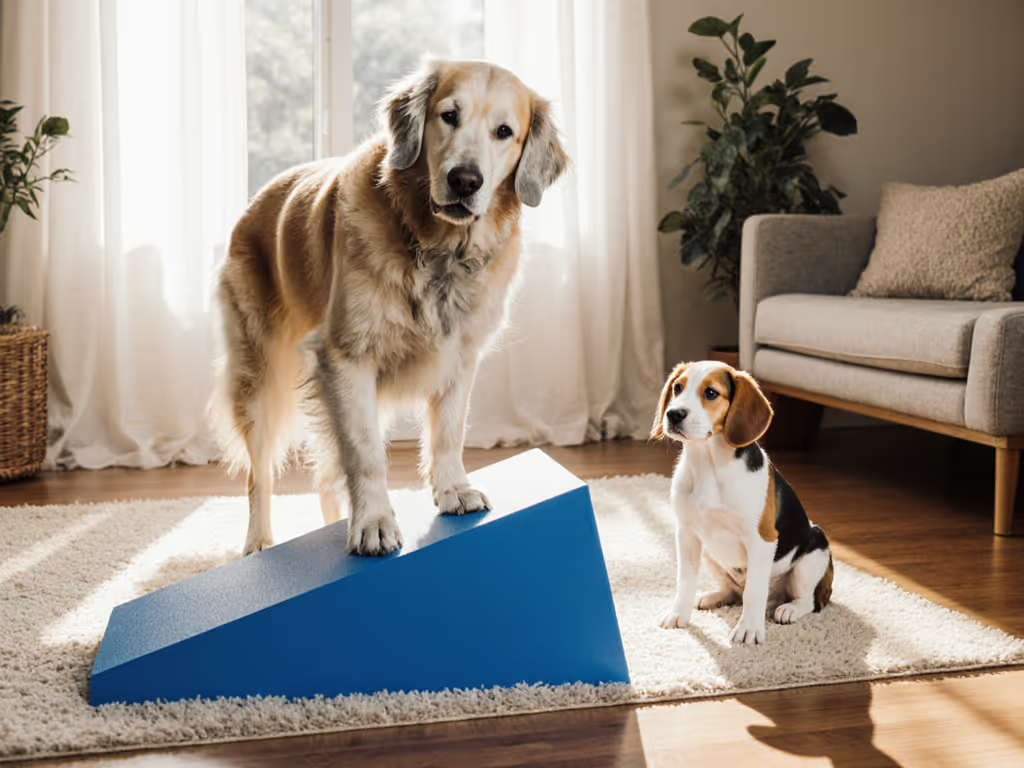
TotoFit Wedge Review: Safe Stability for Puppies & Seniors
1st Jan•8 min read
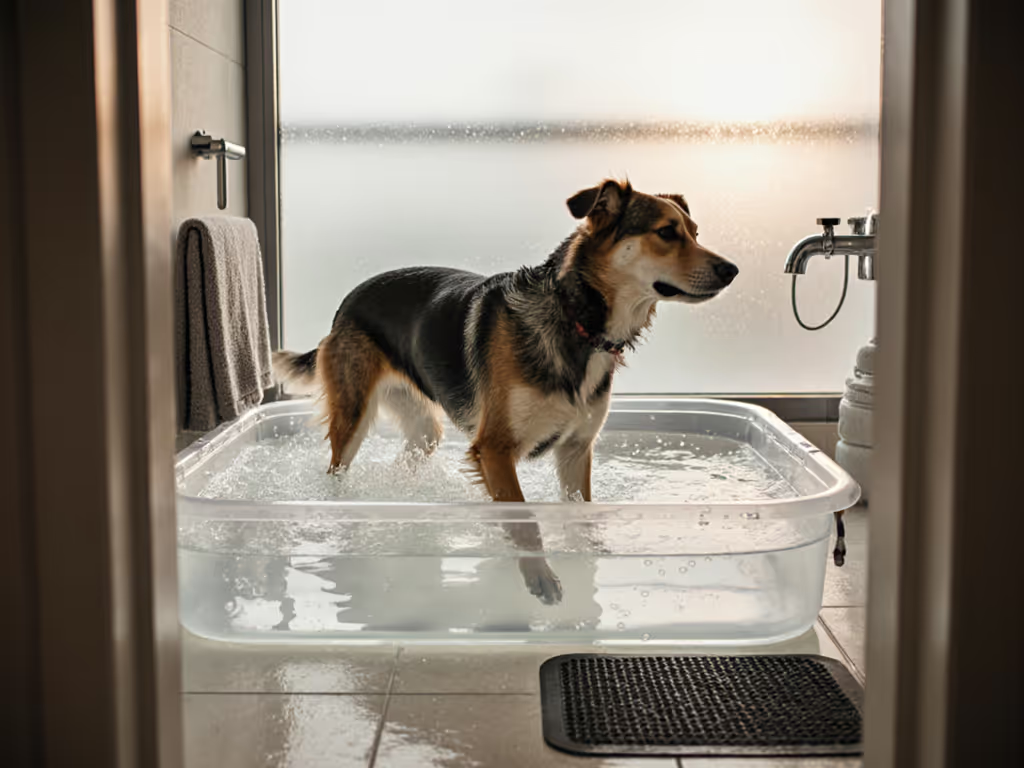
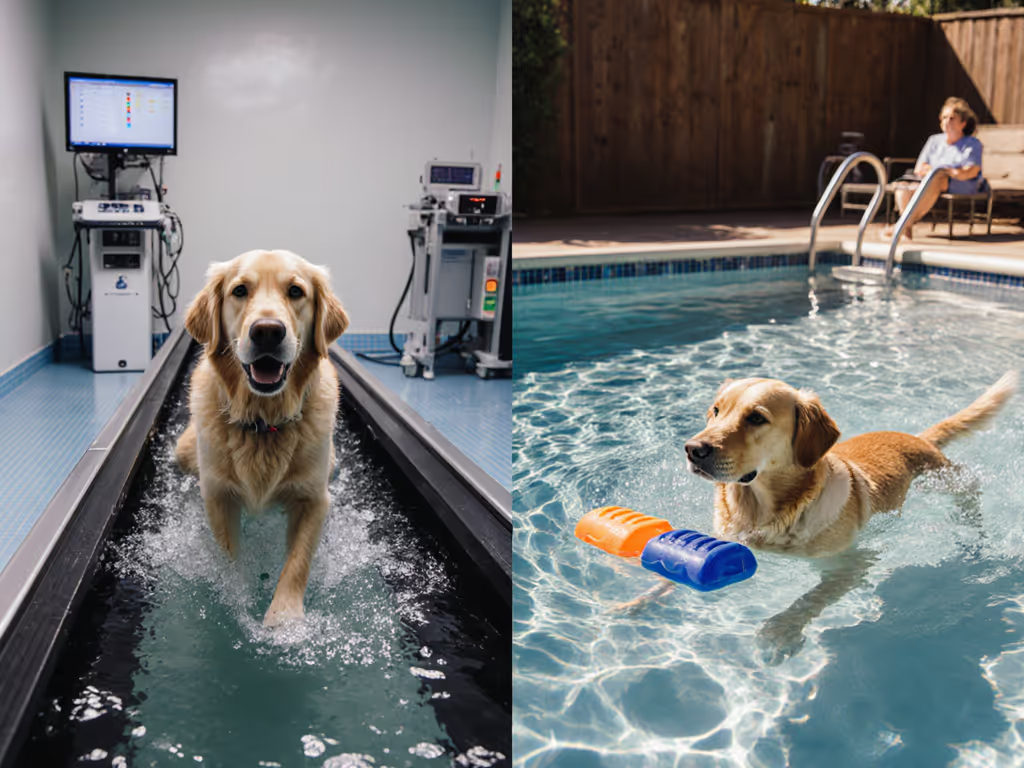
For dog owners battling reactivity in cramped apartments or managing high-energy breeds in small homes, home hydrotherapy for dogs isn't just a luxury, it's a force-free lifeline. When dry-land exercise fails due to noise restrictions, joint limitations, or sheer space constraints, DIY dog water therapy delivers measurable resistance with minimal square footage. Forget crowded pools or expensive clinics: I've engineered timeboxed water drills that fit inside 400-square-foot studios, transforming chaotic energy into structured calm. Performance per square foot isn't a compromise, it's the key to a dog who finally settles. For compact cross-training beyond water work, see our best small-space exercise gear guide.
Skip this, and you'll waste time or risk injury. Begin with a 5-minute energy audit before filling any container. Use this metrics-first framework:
Start with energy, shape the play, then pick the gear.
Critical safety callout: Consult your vet first if your dog has heart conditions, open wounds, or respiratory issues. Hydrotherapy isn't for acute injuries, wait for cleared mobility phases. If your dog has a cardiac diagnosis, follow our vet-approved heart-safe exercise gear guide. Track baseline metrics (panting rate, limb lift frequency) in a dry 2-minute trot to measure progress later.
Forget full pools. Your goal is resistance within reach (not Olympic swimming). I mapped Pico's border collie energy into a 380-square-foot Tokyo studio using collapsible solutions that disappear when not in use. Here's your blueprint:
| Solution | Space Used | Best For | Water Depth | Cost |
|---|---|---|---|---|
| Walk-in Bathtub | 0 sq ft (uses existing) | Low-energy seniors, IVDD recovery | 4-6" (knee joint coverage) | $0 |
| 100-Gal Stock Tank | 4.5 sq ft (18"H x 36"W) | Medium-energy breeds (e.g., corgis) | 8-10" (mid-back) | $45 |
| Modular Treadmill | 8 sq ft (folded storage) | High-energy breeds (e.g., huskies) | 12-14" (full submersion) | $120 |
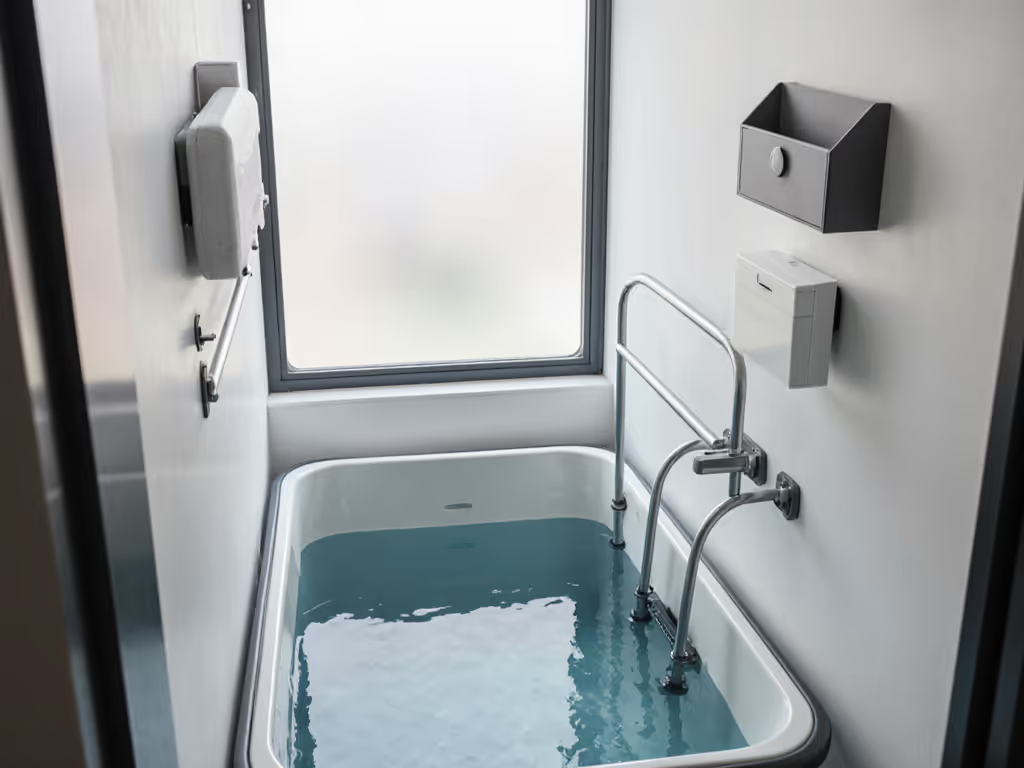
Why this works for small spaces: Unlike pools, stock tanks fit beside sofas (yes, really). I ran daily 12-minute sessions between my futon and fridge, proving you need affordable canine rehabilitation without a dedicated room. Not sure whether to prioritize a pool or treadmill for rehab? See our dog pool vs treadmill comparison.
Structure sessions like athletic intervals (not doggy playtime). Unstructured splashing increases anxiety. Here's my vet-approved protocol:
Critical safety callout: Stop immediately if: Tail tucks >50% session time, water ingestion exceeds 2x, or resting heart rate doesn't drop 20% within 5 mins post-exit. Track with a pet pulse oximeter ($22, reusable).
Buy once, use often (this single stock tank accommodates puppies to seniors via adjustable depth). I used mine for 3 years with a border collie and senior basset hound (different sessions). Zero storage space needed.
Clean water prevents infections, which kill consistency. But pristine chemistry shouldn't require a PhD. Adopt these field-tested protocols:
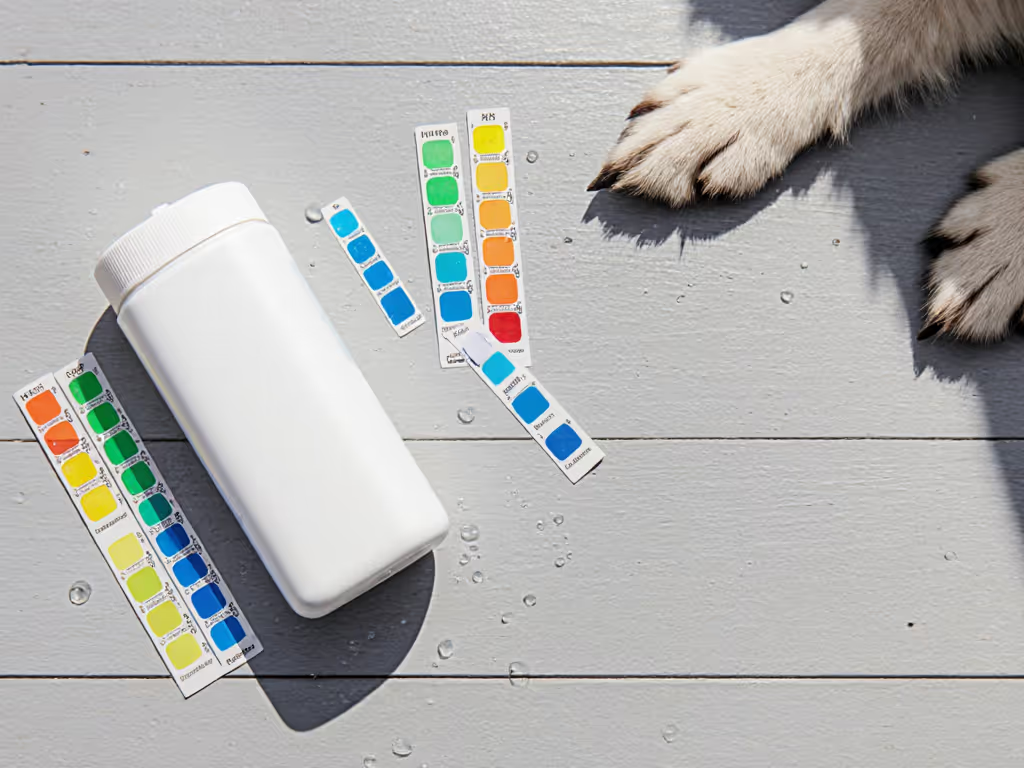
If you can't measure it, you can't trust it. Ditch anecdotal "he seems tired" for objective markers. Record these daily:
Aim for 25% ↓ settle time within 2 weeks. My Tokyo studio data: Border collie's settle time dropped from 22 → 16 mins in 10 days using 8" depth + 200 GPH flow. Result? Fewer bark-outs at 3 AM. To automate metrics like heart rate and activity, check our best exercise tracking collars.
You don't need a backyard pool to build a calmer dog. Grab that $45 stock tank (or repurpose your bathtub) and run a 5-minute energy audit now. Measure your dog's baseline settle time tonight, then try tomorrow's 10-minute drill. Track heart rate shifts and settle time reductions. Within two weeks, you'll transform "barking-at-nothing" chaos into that deep, post-exercise sigh of calm. Performance per square foot isn't theory, it's the quiet you've been missing.
Buy once, use often (your dog's peace of mind is worth the space).