Canine Fitness Progression: Safe Equipment Scaling Guide
18th Jan•5 min read
For active dog guardians, seasonal dog fitness requires more than just adjusting walk times, it demands strategic weather-adaptive dog exercise protocols that prioritize joint integrity across temperature extremes. As temperatures swing from subzero chills to sweltering heat, surface conditions, equipment stability, and movement patterns shift dramatically. Without deliberate modifications, even familiar routines risk soft-tissue strain or joint destabilization. This FAQ deep dive addresses evidence-based adaptations to maintain safe progression throughout the year, grounded in biomechanical principles that protect your dog's mobility capital. Remember: protect the joints today to unlock fuller movement tomorrow.
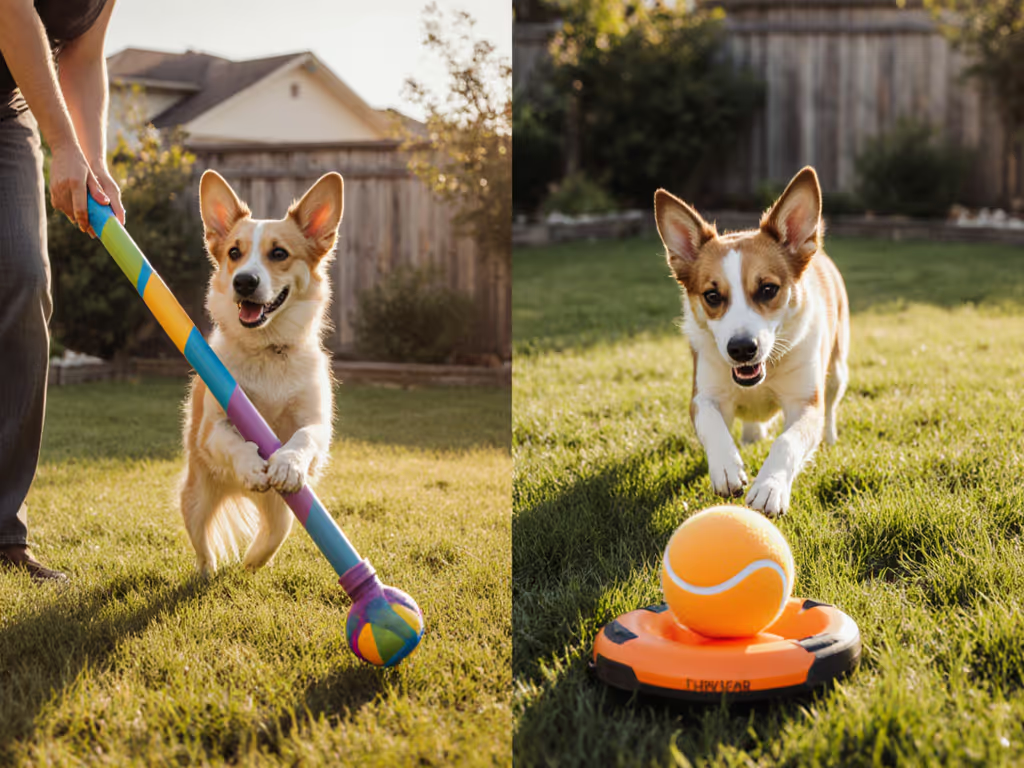
Temperatures directly alter equipment physics and canine biomechanics. Research confirms that rubber agility contacts lose 30% of their grip coefficient below 40°F (4°C), creating micro-slip risks that destabilize joints during jumps or weave entries. Conversely, synthetic turf warps in sustained heat above 85°F (29°C), compromising platform stability. These temperature-responsive agility equipment issues become critical for dogs with growth plates (under 18 months) or arthritis. Always conduct a pre-session fit check: press your palm firmly against contact zones. If surfaces feel brittle (winter) or tacky (summer), add removable textures, like interlocking foam tiles indoors or silicone non-slip pads outdoors. For icy conditions, replace elevated obstacles entirely with ground-level progression ladders using tape markers on safe flooring. Caution first disclaimer: Never force contact obstacles on frozen ground; micro-slips accumulate joint stress like paper cuts.
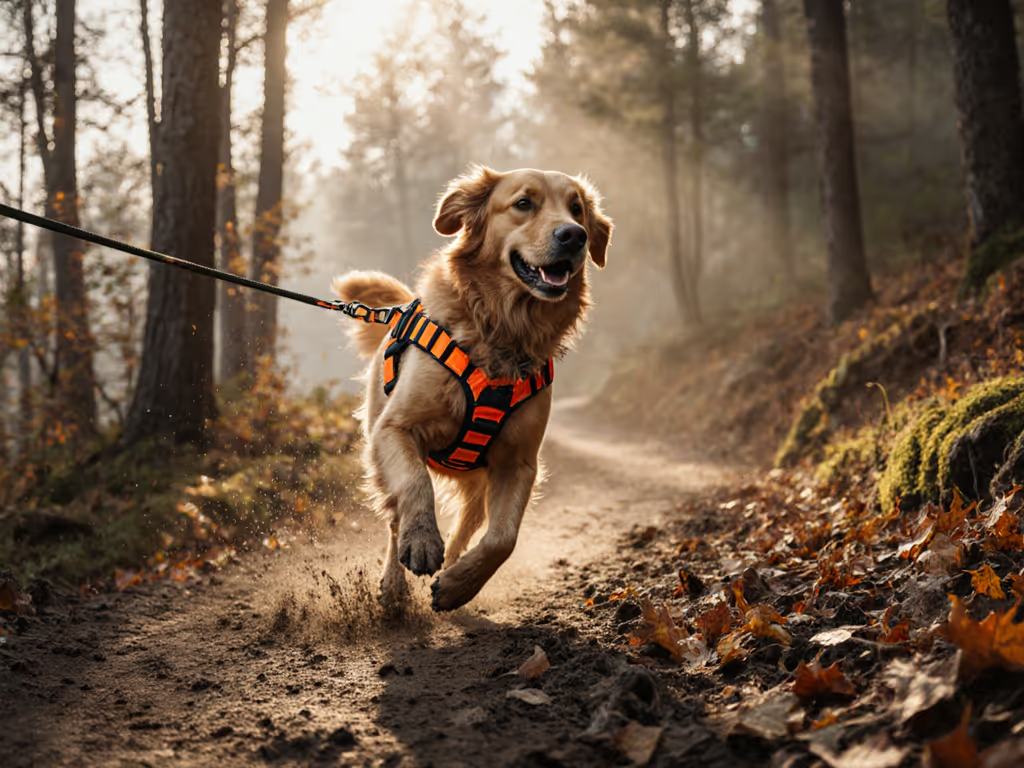
Hot pavement (above 87°F/31°C) transmits heat 15x faster than air temperature, forcing dogs to tiptoe (a gait that shifts 40% more load to stifle joints). This isn't just about burned pads; altered biomechanics strain cruciate ligaments long-term. Employ surface notes as your primary adaptation tool:
For climate-adaptive canine fitness, layer age/weight modifiers: Toy breeds (under 15 lbs) tolerate 10 minutes on warm surfaces, while mastiffs need 2-minute rotations. Measure paw pad temperature with a non-contact thermometer: anything above 105°F (41°C) warrants immediate cooldown. This precision prevents the "sore tomorrow" limps I've seen from well-intentioned park sessions. For detailed heat adaptations and cooling gear, see our summer dog exercise guide.
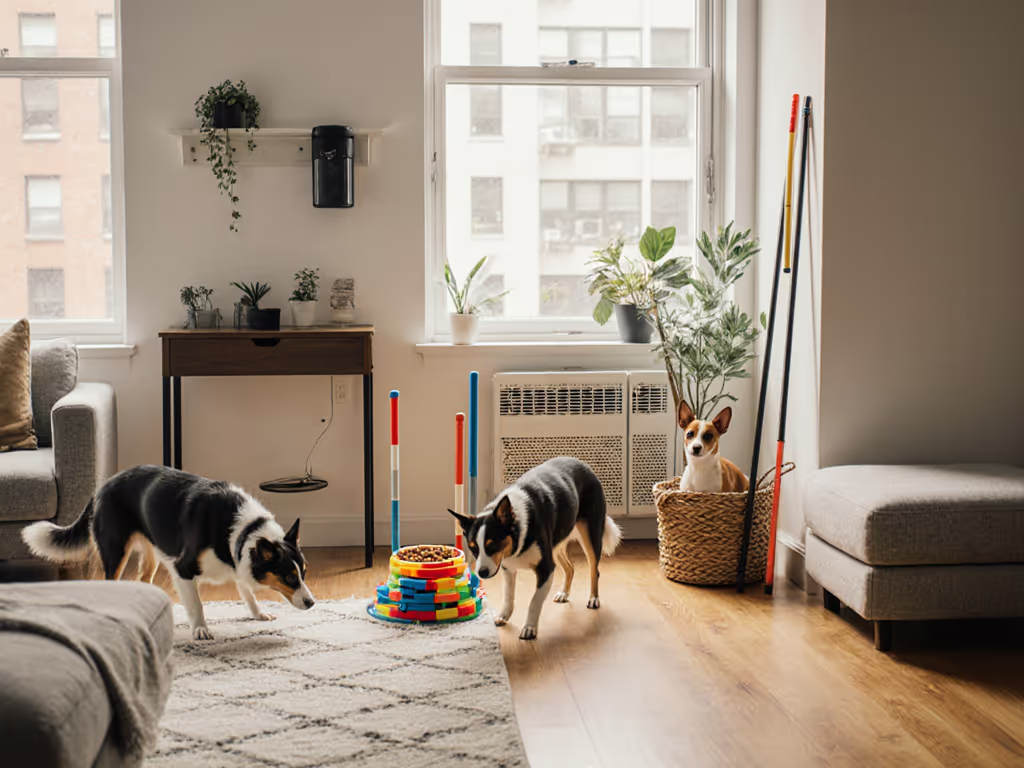
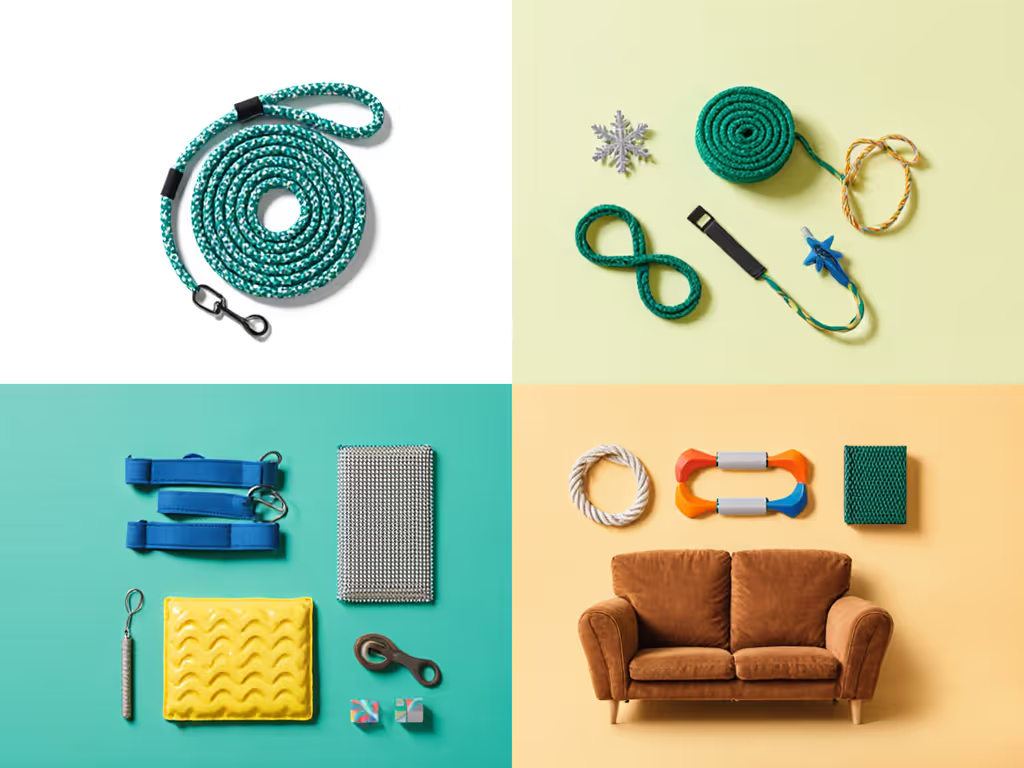
Absolutely, but with caution-first structural adjustments. Standard hardwood floors increase slip risk by 200% compared to grass, demanding immediate surface interventions. Create low-impact alternatives using household items:
A recent study tracking shelter dogs during dark-season confinement showed seasonal training modifications like these reduced indoor slip incidents by 65% when paired with progression ladders. Start with static platforms (e.g., thick books under rugs) before introducing movement. For multi-dog households, stagger sessions by energy level. Reactive dogs benefit from slower climate-adaptive canine fitness protocols first. Always end with proprioception work: 10 seconds of single-paw weight shifts on textured surfaces builds joint resilience better than frantic fetch. For room-by-room setup tips and floor protection, read our indoor agility course setup guide.
Growth phases and aging magnify weather impacts. Puppies' open growth plates make them 3x more susceptible to pavement concussion injuries in summer, while seniors' reduced cartilage cushioning increases cold-weather joint stiffness. Apply age/weight modifiers rigorously:
| Life Stage | Winter Adjustments | Summer Adjustments |
|---|---|---|
| Puppy (under 18 mos) | Limit outdoor time to 7 mins; replace jumps with ground-pole walks | Pavement temps < 80°F; use damp towels on belly during play |
| Senior (7+ yrs) | Heated orthopedic mats between exercises; reduce incline angles by 15° | Water-based treadmill work; avoid asphalt after 10 AM |
| Adult Athlete | Shaved-contact obstacles only; add 50% cooldown time | Shade tents between sequences; electrolyte-enhanced water breaks |
Note breed-specific vulnerabilities: Herding dogs (e.g., Border Collies) need wider winter turns to protect shoulders, while Bulldogs require humidity caps below 60% year-round. Track subtle gait changes: hesitation on familiar surfaces often precedes visible lameness by weeks. This vigilance transformed a foster dog's recovery when I swapped icy fetch for measured ramp work, proving small choices prevent chronic pain.
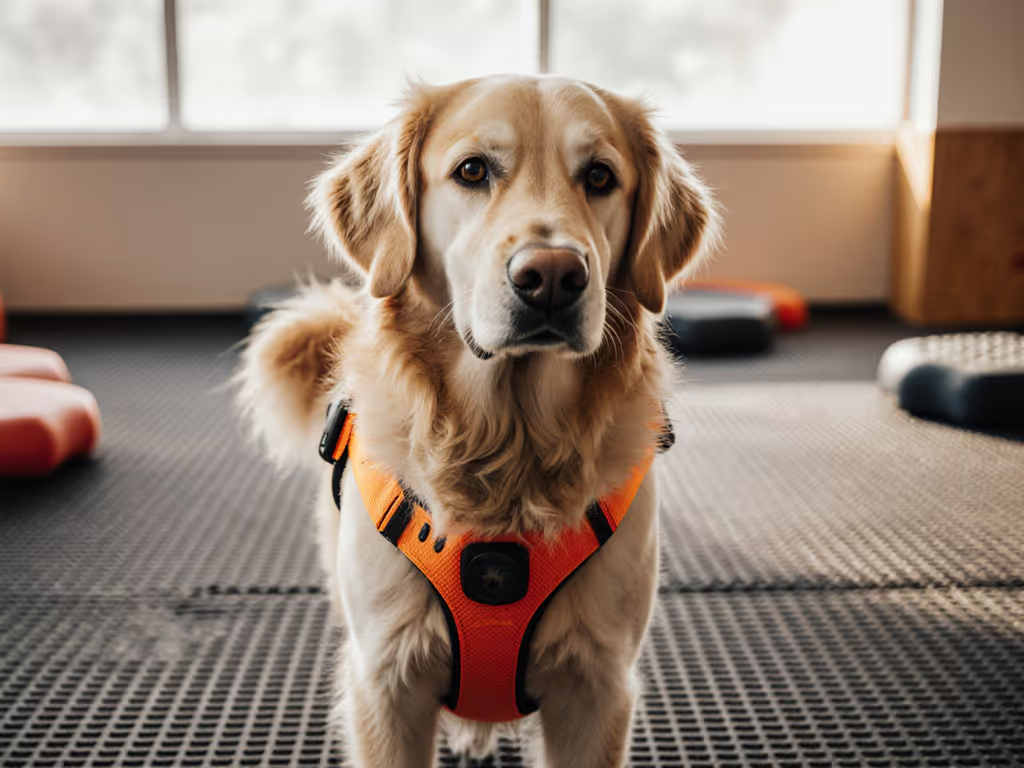
Conduct a seasonal fit check on your current equipment:
Document baseline metrics: normal paw pad temp, cooldown duration, and willingness to ascend/descend familiar slopes. These become your year-round outdoor training progress markers. If you're unsure how to pace increases safely, follow our dog exercise safety guidelines. Remember Mira's rule: slow is smooth, smooth becomes fast. A 12-minute session with proper surface adjustments builds more sustainable fitness than a reckless 30-minute winter slog. Next week, share your fit check findings with your vet or certified canine fitness specialist to co-create your seasonal progression ladder.
Protect the joints today to unlock fuller movement tomorrow.